

Specialized Services
Venomous Insect Testing
Bees can cause havoc for a bee allergic pet.
What it is
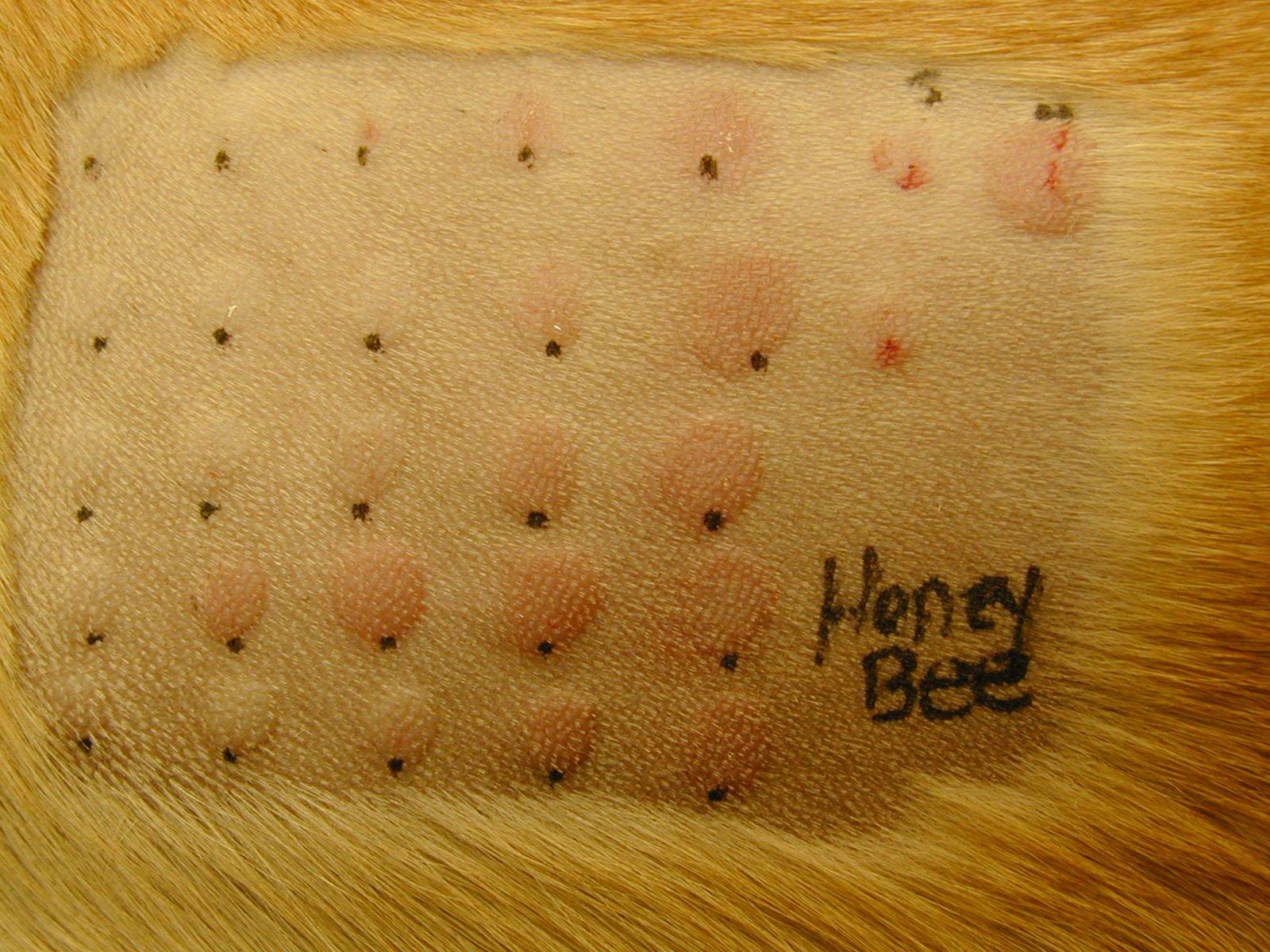
Board certified veterinary dermatologists specialize in diagnosing and treating allergic conditions in pets, but one of the less commonly known therapies available to pets is bee or wasp venom testing and immunotherapy.
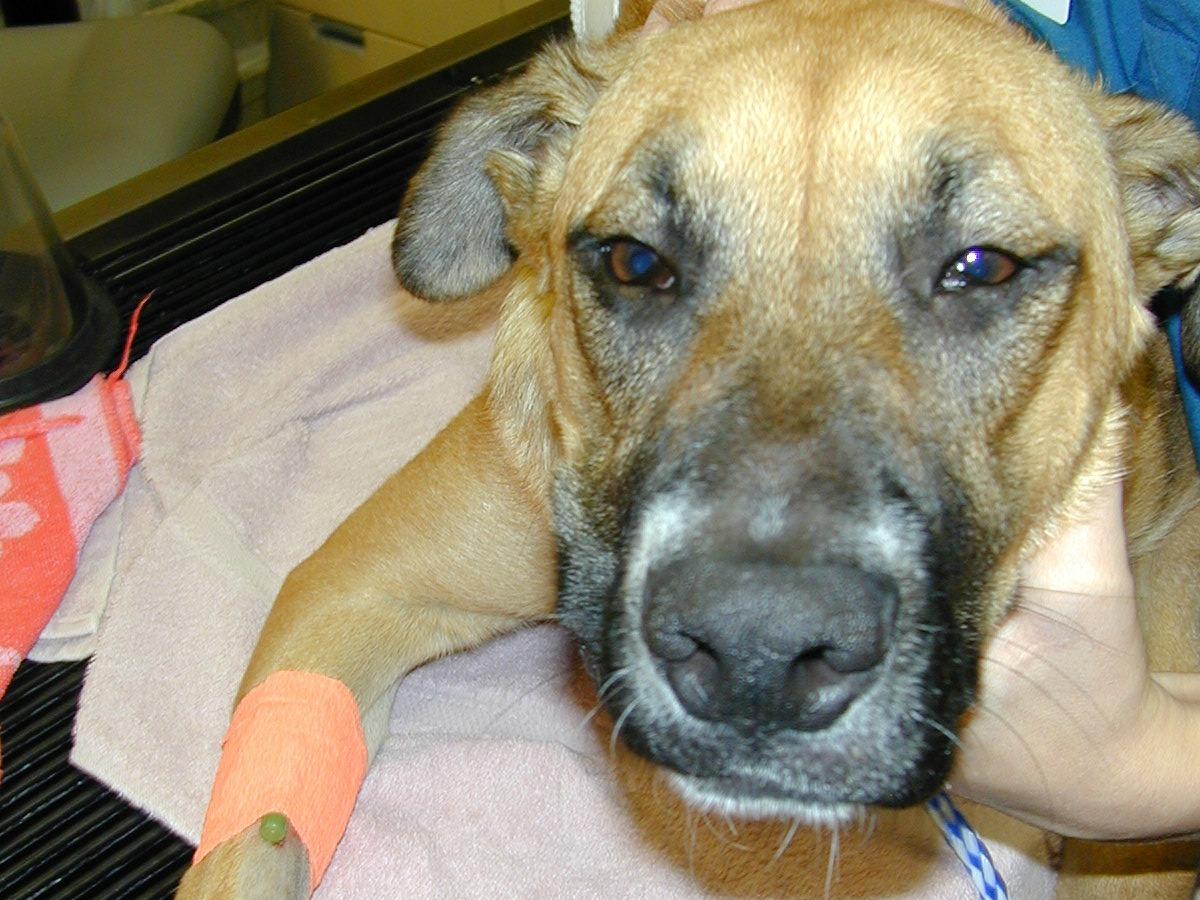
Some pets, like people, can be highly sensitive to a bee or wasp sting. For most animals, a sting is unpleasant, but for pets that are allergic, a bee sting can cause local reactions, facial swelling, hives, or in some extreme cases, even anaphylaxis (a serious and potentially life-threatening allergic reaction). Without immediate treatment, death may result in a severely sensitized allergic pet. The use of Epi-Pen injectable epinephrine products has been used in the past but is controversial in pets and many referral and research facilities advise against this as some pets can develop worsening signs which exacerbate the situation. While antihistamines or corticosteroids may be administered to help in a crisis, desensitization with bee venom as a preventative therapy is thought to be the best approach.
Reactions to bee or wasp stings can vary depending on the size of the pet, the location of the sting and the sensitivity of the pet. Many pets love to “chase” and ingest bees and envenomation in the oral cavity (injection of venom by bite or sting) can be particularly concerning. Pets may sometimes be stung without the knowledge of the pet owner. Veterinary dermatologists can test and begin immunotherapy for bee or wasp hypersensitivity. While not always 100% effective in controlling all allergic signs of envenomation from a venomous insect sting, it will significantly lessen the reactions and allows for medical management to be instituted in the most severely allergic patient.
If you have seen evidence of a reaction or suspect that your pet may be allergic to bees or wasp stings, it is wise to be cautious when taking your pet outdoors. Bee and wasp testing with subsequent hyposensitization therapy may allow for less concern for you and your pet when enjoying the great outdoors!
1 Honey Bee reactionJPG-1
2 Honey Bee test results
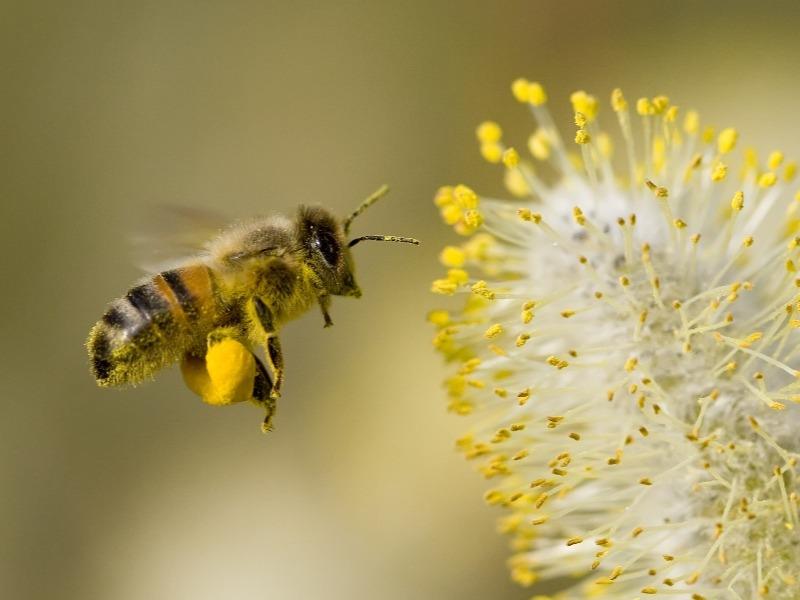
Venomous insect testing - bee pollen-1
Common questions
Ready to help your pet?
Request an appointment and our team will guide you through the next steps.